Register for early bird rates

NGTs LEGISLATION session

The successful adoption of New Genomic Techniques (NGTs) in agriculture depends on the existence of clear, science-based legislation that enables NGT-derived crops and products to reach the market efficiently while ensuring high standards of safety and consumer confidence. Such regulatory frameworks are essential to encourage innovation, attract investment, and allow farmers and society to benefit from improved varieties with enhanced productivity, sustainability, and resilience.

Given that agricultural commodities, food, and feed are traded globally, it is equally important to understand the regulatory approaches adopted in different countries. Regulatory alignment—or at least awareness of regulatory differences—is crucial to avoid trade disruptions and facilitate the international commercialization of NGT-derived products.

This WORKSHOP on NGT LEGISLATION as part of the NGTS for CROPS CONGRESS is particularly timely following the adoption of the new EU legislation on NGTs. On 17 June 2026, the European Parliament approved Regulation (EU) 2026/1388 on plants obtained by certain new genomic techniques and their products, establishing a dedicated regulatory framework for NGT-derived plants, food, and feed.

As this new framework moves into its implementation phase, it is essential not only to understand its legal provisions but also to discuss how the secondary legislation and practical procedures will be developed. Key issues include verification processes, traceability and labeling requirements, database management, enforcement mechanisms, and the role of national authorities. The effectiveness of these implementation measures will ultimately determine how successfully Europe can translate scientific innovation into sustainable agricultural products and economic opportunities

Format: Short Presentations followed by round table discussion led by discussion leaders. If of interest very short presentation from abstracts

Duration: 2.5 h

Chair and discussion leaders:

  • Leire Escajedo (EHU) UPV and Oana Nima (EUSAGE)

Speakers:

  • Irene Sacristán Sánchez ( Biotechnology Unit within DG SANTE (Directorate-General for Health and Food Safety) of the European Commission.)
  • Ana Judith Martín de la Fuente (CIOMB / MAPA, Spain)
  • Francisca Castillo (NEOCROP, Chile) EFSA representative
  • Facundo Simeone Argentina representative USDA representative
  • Josep Casacuberta (EFSA /CRAG)

Chair and discussion leaders:

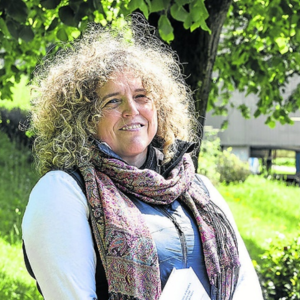
Leire Escajedo San Epinafio


Professor of Constitutional Law at the University of the Basque Country (UPV/EHU) she has a highly unusual interdisciplinary profile: she holds both a PhD in Law and a PhD in

Biological Sciences. Her research focuses on bioethics, biolaw, governance of agricultural and food biotechnologies, food systems, and innovation governance. She is PI of the EU-FRAMES Research Group, working on governance, bioeconomy, and regulatory challenges related to emerging technologies.
Legal, ethical and governance perspective

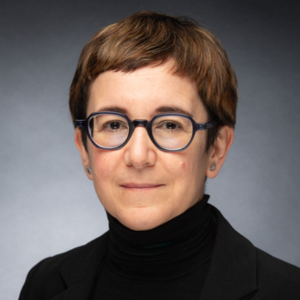
Oana Dima


Science Policy Manager at VIB-Ghent University Center for Plant Systems Biology and coordinator of activities of EU-SAGE. In her daily work, she follows up on European and international policies related to crop improvement using new plant breeding techniques including genome editing. In addition, she coordinates the activities of the

European Sustainable Agriculture through Genome Editing (EU-SAGE) network, which consists of 133 research institutes and associations across Europe.

Speakers:

Irene Sacristán Sánchez


Irene Sacristán Sánchez
is
Head of the Biotechnology Unit
within
DG SANTE
(Directorate-General for Health and Food Safety) of the
European Commission
. Her unit has been directly involved in the preparation and negotiation of the European legislative proposal on
New Genomic Techniques (NGTs).
Irene has been one of the key technical officials behind the European Commission’s NGT proposal. Furthermore, she regularly engages with farmers’ organizations, the food industry, plant breeders, the organic sector, and other stakeholders to discuss the future NGT regulatory framework and frequently represents the European Commission at international events and conferences, presenting and explaining the EU’s approach to NGT regulation.

Ana Judith Martín de la Fuente


Ana Judith Martín de la Fuente serves as
Secretary of the Interministerial Council on GMOs (CIOMG) within the Spanish Ministry of Agriculture, Fisheries and Food (MAPA), and has been one of the key technical officials following the European NGT legislative process on behalf of Spain. She has repeatedly presented MAPA’s analysis of the European NGT proposal at national and international events and has explained the Spanish position during the negotiations.

Francisca Castillo


Francisca Castillo is founder, CEO, and Research Director of NeoCrop Technologies, a Chilean ag-biotech company focused on precision breeding, gene editing, speed breeding, and AI-assisted gene discovery and Co-founder of ABSA-Chile (Association for Biotechnology and Agrifood Sustainability), an association promoting the use of modern breeding technologies to address food security and climate challenges. NeoCrop was involved in the development of what has been described as the first CRISPR-edited wheat approved in Chile and Argentina, providing real-world experience with regulatory approval pathways. Francisca can thus provide real case study showing how gene-edited crops are being developed, approved, and advanced toward commercialization in a country with a functional NGT regulatory framework

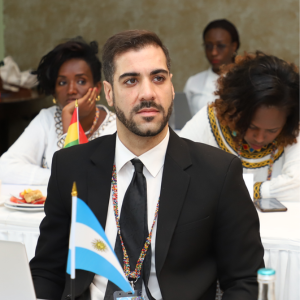
Facundo Simeone


Facundo Simeone is a biotechnology regulatory affairs specialist at Argentina’s Secretariat of Agriculture, Livestock and Fisheries. He has over a decade of experience in agricultural biotechnology policy, biosafety, and international regulatory cooperation. He represents Argentina in regional and global forums on biotechnology and bioeconomy, with a particular focus on regulatory frameworks for genome-edited crops and NGTs

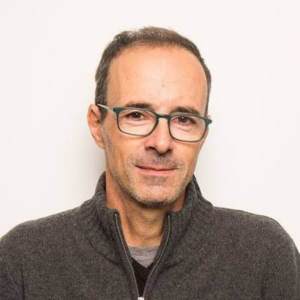
Josep Casacuberta


Josep Maria Casacuberta is a CSIC Research Professor at CRAG (Spain) and a leading expert in plant molecular biology and genome evolution. He serves as Chair of EFSA’s GMO Panel, which is actively involved in the scientific evaluation of the potential risks associated to the commercialization in the EU of GMO and NGT (new genomic techniques) plants.

Scroll to Top